
A single missed detail can shape a guest’s entire hotel experience. Studies show that standardized cleaning procedures directly improve housekeeping performance, leading to fewer complaints and higher ratings. With so much riding on every first impression, hotel managers need proven strategies to deliver spotless, welcoming rooms time after time. This guide offers practical methods to help your housekeeping team achieve consistency, efficiency, and the quality guests remember.
Table of Contents
- 1. Standardize Room Cleaning Procedures For Consistency
- 2. Use Checklists To Streamline Housekeeping Tasks
- 3. Implement Smart Scheduling To Maximize Efficiency
- 4. Prioritize Communication With Housekeeping Staff
- 5. Train Staff On Time-Saving Cleaning Techniques
- 6. Leverage Technology For Real-Time Task Updates
- 7. Monitor Quality With Regular Inspections And Feedback
Quick Summary
Takeaway |
Explanation |
|---|---|
| 1. Standardize cleaning procedures for consistency | Clear cleaning protocols boost performance and maintain quality across all guest rooms. |
| 2. Utilize detailed checklists for efficiency | Checklists streamline tasks and help staff focus on critical cleaning aspects, ensuring nothing is overlooked. |
| 3. Implement technology for real-time updates | Technology aids in tracking staff performance and room status, allowing for quicker adjustments and improved service. |
| 4. Emphasize regular training and communication | Ongoing training and open dialogue foster a skilled, engaged team that understands expectations and improves overall service. |
| 5. Monitor quality with inspections and feedback | Systematic inspections with constructive feedback promote continuous improvement and ensure high cleaning standards are met. |
1. Standardize Room Cleaning Procedures for Consistency
Consistent room cleaning is the backbone of exceptional hotel housekeeping. Without clear procedures, your cleaning team can become inefficient and deliver wildly different quality levels across rooms.
A groundbreaking study from Seaninstitute Research reveals that standardized operating procedures directly enhance housekeeping performance. By creating structured cleaning workflows, you transform your housekeeping from unpredictable to professional.
To implement standardization, develop a comprehensive cleaning checklist that covers every room detail. Your checklist should include specific steps like:
- ● Sequential cleaning order (start high, end low)
- ● Exact sanitation protocols for each surface
- ● Specific time allocations for different room types
- ● Quality checkpoints before marking room as complete
Research shows that the use of flow process charts and efficiency techniques can significantly reduce non value added activities. This means your team works smarter, not harder.
Training is critical. Conduct regular workshops where you walk through the standardized procedures, demonstrating each step. Video tutorials and printed guides can reinforce these standards. Consistency comes from clear communication and ongoing training.
Remember that standardization is not about removing individual staff creativity but creating a reliable foundation that ensures every guest receives the same high quality experience. Your cleaning team will appreciate having clear expectations and guidelines to follow.
2. Use Checklists to Streamline Housekeeping Tasks
Checklists are the secret weapon of efficient hotel housekeeping operations. They transform chaotic cleaning processes into smooth systematic workflows that guarantee consistent quality.
According to the Hospitality Institute, housekeeping checklists play a crucial role in maintaining service quality and preventing guest complaints. They create a structured approach that leaves nothing to chance.
To build an effective housekeeping checklist, focus on creating a comprehensive yet practical document. Your checklist should include detailed steps that cover every aspect of room preparation and cleaning:
- ● Precise order of cleaning tasks
- ● Specific sanitation requirements
- ● Equipment and supply verification
- ● Quality control checkpoints
- ● Time allocation for each task
Modern hospitality best practices highlight the value of digital checklist solutions that enable real-time tracking and clear staff accountability. Contemporary hotel management platforms can integrate these checklists directly into staff workflow apps, making compliance easier and more efficient than ever.
Implementation is key. Train your staff thoroughly on checklist usage, explaining that these are not restrictive rules but tools designed to elevate their performance. A well designed checklist empowers staff by providing clear expectations and reducing mental load.
Regular review and update of your checklists ensure they remain relevant and effective. Gather feedback from housekeeping staff and incorporate their insights to continuously improve your systematic approach to room cleaning and maintenance.
3. Implement Smart Scheduling to Maximize Efficiency
Smart scheduling is the strategic heartbeat of high performance housekeeping operations. By optimizing staff assignments and workflow, you can dramatically improve cleaning efficiency and reduce operational costs.
Research from a detailed study in Journal of Industrial Engineering Management reveals that room cleaning durations vary significantly based on multiple variables. Understanding these variations allows hotel managers to create more intelligent scheduling strategies.
To develop a smart scheduling system, consider these critical factors:
- ● Guest checkout and check-in patterns
- ● Room type complexity
- ● Individual staff productivity levels
- ● Seasonal occupancy fluctuations
- ● Specific cleaning requirements for different room categories
A comprehensive study on four star hotel operations from the Thai Journal of Research demonstrates that strategic scheduling can substantially reduce operational expenses while maintaining high service standards.
Implementing technology is key to smart scheduling. Modern hotel management software can track staff performance, room status, and cleaning times in real time. This data enables you to create dynamic schedules that adapt to your hotel’s unique operational rhythms.
Consider rotating staff across different room types to prevent monotony and maintain high engagement. Cross training employees ensures flexibility and helps prevent scheduling bottlenecks. The goal is creating a scheduling system that feels intuitive for staff and maximizes your housekeeping team’s potential.
4. Prioritize Communication with Housekeeping Staff
Effective communication is the invisible thread that connects your housekeeping team from management to frontline staff. Without clear communication, even the best strategies can fall apart.
According to the Hospitality Institute, clear communication of performance standards and responsibilities is crucial for successful housekeeping operations. Your team needs to understand not just what to do, but why they are doing it.
To build robust communication channels, consider implementing:
- ● Daily team briefing meetings
- ● Digital communication platforms
- ● Transparent performance feedback systems
- ● Visual task tracking boards
- ● Regular training and skill development sessions
Research from the International Journal of Novel Research and Development highlights that effective communication goes beyond task instructions. It plays a critical role in maintaining safety standards, ensuring security, and creating a collaborative work environment.
Communication is a two way street. Encourage your housekeeping staff to share insights, challenges, and suggestions. Create an environment where feedback flows freely and employees feel valued. This approach not only improves operational efficiency but also boosts staff morale and retention.
Remember that great communication requires consistent effort. It is not a one time event but an ongoing process of listening, explaining, and adapting. Your goal is to create a transparent culture where every team member understands their role in delivering exceptional guest experiences.
5. Train Staff on Time-Saving Cleaning Techniques
Time is the most precious resource in hotel housekeeping. Training staff in efficient cleaning techniques can transform your team from average performers to productivity champions.
Research from the Thai Journal of Research reveals that targeted training using process analysis and ECRS methods dramatically reduces non value added activities. This means your staff works smarter, not harder.
Focus your training on key time saving techniques:
- ● Ergonomic movement patterns
- ● Strategic cleaning sequence
- ● Efficient tool and supply management
- ● Minimizing unnecessary motion
- ● Multitasking without compromising quality
A detailed study in the Journal of Industrial Engineering Management highlights that understanding room cleaning variables can significantly improve time management. Professional training helps staff recognize and adapt to these variables quickly.
Implement hands on training sessions where experienced staff demonstrate efficient techniques. Create video tutorials, conduct regular workshops, and provide real time feedback. The goal is building muscle memory and intuitive workflow patterns.
Remember that time saving is not about rushing but about eliminating waste. Teach your staff to approach each room systematically, using precise movements and strategic cleaning approaches that maintain high quality standards while reducing overall cleaning time.
6. Leverage Technology for Real-Time Task Updates
In the modern hotel industry, technology transforms housekeeping from a reactive to a proactive operation. Real-time task updates are not just convenient they are becoming essential for maintaining high service standards.
Cutting edge research from ArXiv demonstrates that machine learning and natural language processing can provide instantaneous insights into service quality. This means your housekeeping team can respond to potential issues before they become guest complaints.
Consider implementing technology solutions that offer:
- ● Mobile task management apps
- ● GPS tracking for cleaning staff
- ● Instant room status updates
- ● Digital inspection checklists
- ● Automated quality control reporting
Further research from ArXiv Deep Learning Studies reveals that automated image analysis can now accurately assess hotel cleanliness in real time. Imagine technology that can instantly verify if a room meets your exact standards without manual intervention.
The key is selecting technology that integrates seamlessly with your existing operations. Look for platforms that provide user friendly interfaces and comprehensive reporting. Your goal is empowering staff with tools that make their work more efficient and transparent.
Technology is not about replacing human skills but augmenting them. By providing real-time data and instant communication channels, you create a more responsive and accountable housekeeping environment that consistently delivers exceptional guest experiences.
7. Monitor Quality with Regular Inspections and Feedback
Quality control is the heartbeat of exceptional housekeeping. Without systematic inspections, your hotel risks inconsistent service and declining guest satisfaction.
According to the Hospitality Institute, structured room inspections are fundamental to maintaining consistent service quality. They provide a clear framework for evaluating performance and identifying improvement opportunities.
Design a comprehensive inspection process that includes:
- ● Detailed cleanliness assessment checklists
- ● Random room verification protocols
- ● Quantitative and qualitative evaluation metrics
- ● Immediate feedback mechanisms
- ● Performance tracking systems
SafetyCulture recommends using digital inspection tools that enable real time documentation and analysis. Feedback should be constructive not punitive. The goal is continuous improvement, not staff criticism.
Create a culture where feedback flows both ways. Encourage housekeeping staff to share insights about challenges they encounter. Their frontline experience can reveal systemic issues that management might not see.
Remember that quality monitoring is an ongoing process. Regular inspections paired with supportive feedback create a dynamic environment of continuous learning and excellence. Your guests will notice the difference in every meticulously cleaned room.
Below is a comprehensive table summarizing the key strategies for enhancing hotel housekeeping efficiency and consistency discussed throughout the article.
Strategy |
Implementation |
Expected Results |
|---|---|---|
| Standardize Room Cleaning | Create structured cleaning checklists, conduct regular training, use flow process charts. | Enhanced performance, consistent quality, reduced inefficiencies. |
| Use Checklists | Develop comprehensive digital checklists, train staff on usage. | Streamlined tasks, maintained service quality, reduced complaints. |
| Smart Scheduling | Optimize staff assignments based on room type and occupancy, use management software. | Improved efficiency, reduced costs, maintained high standards. |
| Prioritize Communication | Implement daily briefings, digital platforms, transparent feedback systems. | Improved collaboration, safety standards, boosted morale. |
| Train on Time-Saving Techniques | Focus on ergonomic techniques, strategic cleaning sequences, hands-on training. | Increased productivity, efficient time management, reduced non-value activities. |
| Leverage Technology | Use mobile apps, GPS tracking, digital checklists, real-time updates. | Proactive operations, enhanced accountability, consistent service quality. |
| Monitor Quality | Conduct regular inspections, use digital tools for feedback and tracking. | Maintained high service levels, identified improvement areas, encouraged continuous improvement. |
Elevate Your Hotel Housekeeping Efficiency with Smart Automation
Managing hotel housekeeping comes with real challenges like maintaining consistent cleaning quality, optimizing schedules, and ensuring clear communication with your team. The article highlights key pain points such as standardizing procedures, using checklists, and implementing smart scheduling to save time and reduce operational costs. These goals resonate deeply with hotel managers striving to boost productivity without sacrificing service excellence.
Imagine transforming these goals into actionable results with a single, unified platform. HotelFriend offers an all-in-one cloud-based system that automates your housekeeping workflows, connects task management to real-time room statuses, and improves communication across your staff. Features like automated cleaning schedules, digital checklists, and instant task updates simplify complex operations so your team can focus on delivering perfect guest experiences every time.
Take control of your hotel’s operations today. Experience how technology can reinforce your housekeeping standards and empower your staff with smart tools. Visit HotelFriend now to discover the future of hotel management.
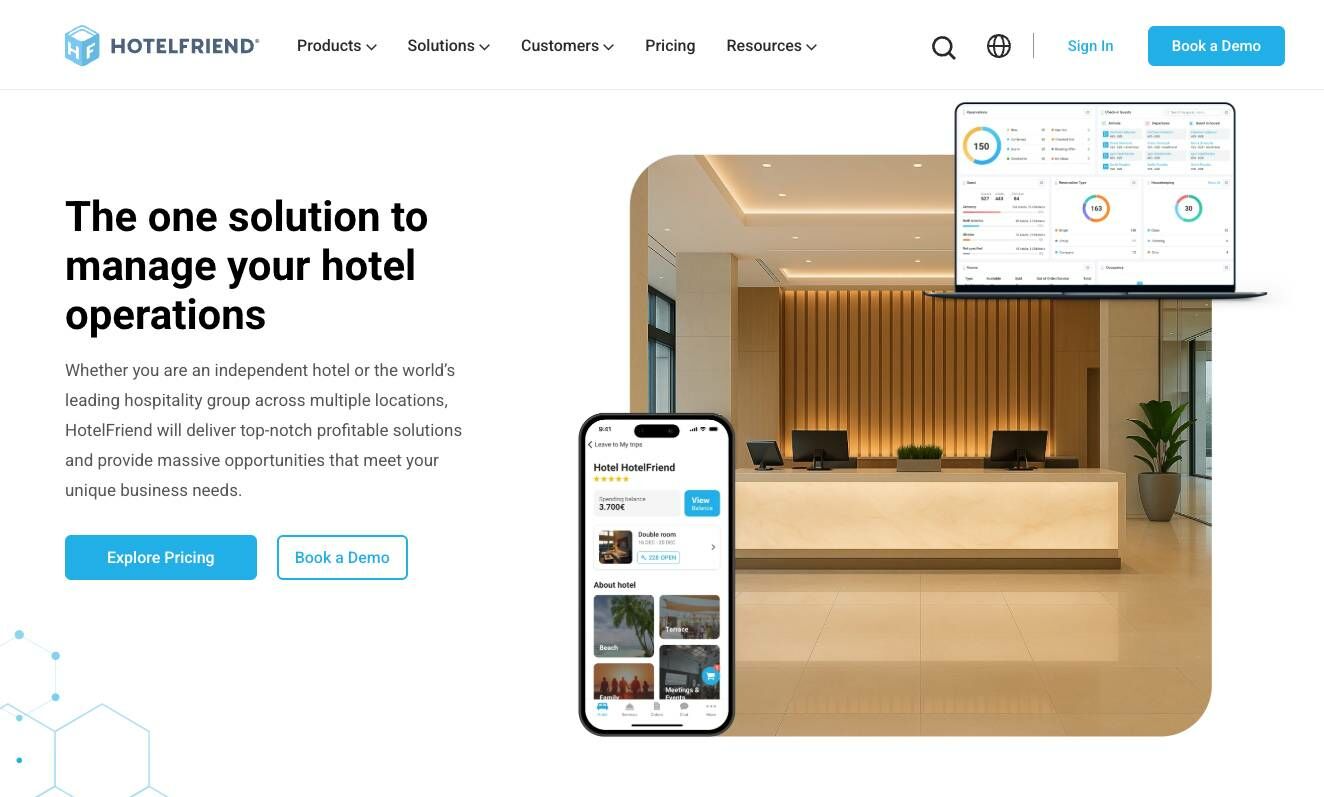
Ready to boost your housekeeping efficiency and guest satisfaction? Explore how our platform streamlines daily tasks and enhances team coordination at HotelFriend housekeeping solutions. Don’t wait—start making your housekeeping operations smoother and more productive today by visiting HotelFriend.
Frequently Asked Questions
How can I standardize room cleaning procedures for my housekeeping staff?
To standardize room cleaning, develop a comprehensive checklist outlining specific cleaning tasks and protocols. Train your staff on this checklist and conduct regular workshops to maintain consistency in execution.
What are the benefits of using checklists in hotel housekeeping?
Using checklists streamlines housekeeping tasks and ensures that no detail is overlooked. Create a detailed checklist that includes cleaning procedures, sanitization requirements, and time allocations to improve service quality and reduce guest complaints.
How can I implement smart scheduling to improve housekeeping efficiency?
To maximize efficiency, analyze factors like guest check-in patterns and staff productivity, then create schedules that align with these insights. Implement this system gradually, making adjustments based on staff feedback to enhance overall performance.
What communication strategies can I use to enhance my housekeeping team’s effectiveness?
Enhancing communication can be achieved through daily briefings and transparent feedback systems. Foster an environment where staff feel comfortable sharing insights and suggestions, which can lead to improved collaboration and operational efficiency.
What time-saving cleaning techniques should I train my staff on?
Focus training on ergonomic movement patterns and strategic cleaning sequences to minimize unnecessary motion. Regularly demonstrate these techniques in hands-on training sessions to help staff develop efficient workflow habits.
How do I monitor cleaning quality in my hotel?
Regular inspections are crucial for monitoring cleaning quality. Establish a routine inspection schedule using detailed checklists and provide immediate feedback to staff, aiming for continuous improvement in service standards.